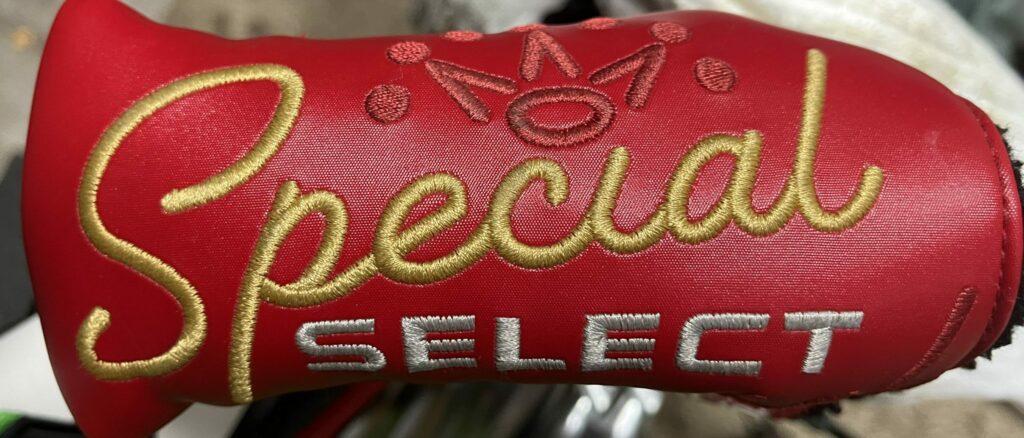
Donald T. “Scotty” Cameron is widely regarded as the most influential putter designer of the modern era: a craftsman who married precision milling, attention to feel, and tour-driven R&D to create putters used by many of golf’s biggest names. The following article summarizes his background, how he got into making putters, the development of his business and relationship with Titleist/Acushnet, the design and manufacturing practices that set his work apart, and the professional players — past and present — who have used Scotty Cameron putters. Key factual claims are sourced to primary and high-quality secondary references throughout.
Early life and how he got into golf
Scotty Cameron was born in 1962 and raised in Southern California. He grew up in a golfing environment: his father was an excellent amateur (reportedly a two handicap) and the two worked together in the family garage tinkering with clubs from a young age. Those early experiments — shaping heads, wrapping grips, testing feel — taught Cameron the fundamentals of metalwork and the empirical, hands-on approach to clubmaking that would define his career. (Golf Monthly)
As a teenager and young adult he began building full-size putters and, through the 1980s and early 1990s, worked as a putter designer and maker for several established equipment firms (including Ray Cook, Maxfli, Cleveland Classics and Mizuno). These roles honed his skills in head shaping, milling and the subtleties of balancing head weight and face feel. (Scotty Cameron)
Founding Cameron Golf International and the breakthrough moment
In late 1992 Scotty and his wife Kathy launched Cameron Golf International (CGI) to produce a line of precision milled putters under his own name. The business model from the start was tour-first: Cameron spent time at PGA Tour events getting feedback from the best players and offering prototypes to touring professionals. That perseverance paid off quickly — a Scotty Cameron prototype was used to win the 1993 Masters, a milestone that dramatically raised the brand’s profile and helped propel CGI into the industry mainstream. (Scotty Cameron)
Shortly thereafter, Scotty’s work came to the attention of Titleist/Acushnet leadership, initiating a formal relationship that integrated Cameron’s designs into the Titleist distribution and marketing engine while continuing to emphasize handcrafted Tour models and a high-end production line. That relationship would allow the Scotty Cameron name to reach both elite Tour players and discerning amateurs worldwide. (Scotty Cameron)
Design philosophy and manufacturing — why Cameron putters stand out
Scotty Cameron’s putters are the product of three tightly coupled principles:
- Milling and material quality. Cameron popularized precision, billet-milled heads — often 303 stainless steel and, for special “tour” pieces, German Stainless Steel (GSS) — that provide consistent feel and allow fine geometrical control. Many signature models (Newport, Newport 2, Phantom, Super Select series) are precision milled rather than cast, which yields tighter tolerances and more consistent acoustic/feel characteristics. (Scotty Cameron)
- Tour-driven iterative development. Rather than designing in isolation, Cameron built an R&D loop with touring professionals: prototypes would be tested in tournament conditions, feedback incorporated, and new or limited “Tour Only” run pieces created for specific player needs. That process produced rapid refinement of shapes, weighting and alignment features. (Scotty Cameron)
- Aesthetics and emotional appeal. Cameron has consistently emphasized that a putter should “look like it melts into the ground” — meaning pleasing geometry, clean sightlines and finish work that creates confidence at address. The collector and resale market for limited-run and vintage Scotty Camerons shows how important finish, stamping and rarity are to buyers. (Scotty Cameron)
Complementing those principles, Scotty Cameron operates both a production line (the retail Scotty Cameron by Titleist models) and a Custom Shop/Putter Studio that produces limited, hand-finished tour pieces and one-offs. The Custom Shop items — often marked “Tour Only” — are highly sought after by collectors and players who want bespoke weights, necks and cosmetic details.
Timeline highlights
- 1960s–1970s: Early exposure to clubs and metalwork in family garage. (Golf Monthly)
- 1980s–early-1990s: Works for established brands (Maxfli, Ray Cook, Mizuno, Cleveland). (Scotty Cameron)
- 1992: Launches Cameron Golf International with wife Kathy. (Scotty Cameron)
- 1993: Prototype Scotty Cameron putter used to win the Masters — brand breakthrough. (Wikipedia)
- Mid-1990s onward: Deepening relationship with Titleist/Acushnet; production and Tour programs expand.
Who uses Scotty Cameron putters — Tour players, champions, and trends
Scotty Cameron putters have been used by an extraordinary roster of professional golfers — spanning multiple generations and many major champions. A few notable examples and characterizations:
- Tiger Woods. Perhaps the most visible long-term association: Tiger used a Scotty Cameron Newport-style putter (milled Titleist/Scotty model) through the majority of his major victories and for decades in professional competition. That association alone created enormous brand visibility. (Hitting The Golf Ball)
- Jordan Spieth, Justin Thomas, Rory McIlroy, Brooks Koepka and many others. Over the years, numerous major winners and top Tour players have used Scotty Cameron models in competition — sometimes for long periods, sometimes switching between models or manufacturers as players chase feel and performance. The list of golfers who’ve trusted Scotty Cameron putters at some point is extensive; in the modern era many top professionals use Titleist equipment with Scotty-designed putters or custom shop pieces. (Golf Monthly)
- Widespread Tour adoption but not exclusivity. It’s important to note that while Scotty Cameron putters are extremely common on Tour, players change putters for many reasons (fit, alignment preferences, sponsorship, mechanistic experimentation). Thus a player who used a Scotty for a stretch may move to a different head or brand in the future, and vice versa. Resources that track “what’s in the bag” (equipment databases and weekly Tour photos) are the best way to check current individual player setups. (pgaclubtracker.com)
In short: virtually every era’s top players have included Scotty Cameron putters among their options; a non-exhaustive but illustrative list across time includes Tiger Woods, Jordan Spieth, Justin Thomas, Rory McIlroy, Brooks Koepka and many additional winners on the PGA and European Tours. (Golf Monthly)
Models and collections that shaped the market
Several Scotty Cameron families and models became reference points:
- Newport/Newport 2 (blade designs). Classic blade shapes favored by many tour players for their alignment and pure roll. Newport remains the archetypal Scotty blade. (Scotty Cameron)
- Phantom (mallets) and Super Select lines. These represent his mallet and modern blade offerings with advanced alignment geometry, interchangeable sole weights, and dual-milling face textures to optimize roll. (Scotty Cameron)
- Tour Only/GSS and Limited Runs. Tour-only GSS (German Stainless Steel) heads and limited studio runs are a major part of Scotty’s mystique; these were used to test innovations and reward collectors. (Scotty Cameron)
The business side: brand, Titleist partnership and collector culture
Scotty Cameron’s identity is both performance brand and collectible lifestyle brand. The partnership with Titleist/Acushnet provided manufacturing scale, distribution and the Titleist tour network, while Cameron retained a high degree of creative control and continued to produce limited hand-finished pieces. That dual structure (production retail lines + Custom Shop/Tour only pieces) is a deliberate strategy that serves both the performance needs of tour players and the collector market that prizes rarity, aesthetic finishing and provenance. (Scotty Cameron)

The collector market has further elevated the brand: rare Tour Only pieces, early handmade Camerons, and special commemorative releases often demand significant premiums on the resale market. Cameron’s own archives and museum/gallery efforts — including a physical Scotty Cameron Gallery and international boutique outlets — feed an enthusiast culture that goes beyond function and into craftsmanship and design appreciation.
Practical takeaways for players and consumers
- If you’re a player seeking pure feel and precise weighting, a Scotty Cameron putter (especially one that’s been custom-fitted) is an excellent option because of the brand’s emphasis on milling tolerances and adjustable sole-weights. (Scotty Cameron)
- If you’re a collector, limited runs and Tour Only pieces are the most desirable — but they’re also the most expensive and rare. (eBay)
- For current info about which Tour players are using Scotty Cameron putters this week, consult up-to-date “what’s in the bag” databases and weekly tournament photos. Player equipment choices can change frequently. (pgaclubtracker.com)
Sources and recommended reading
- Scotty Cameron — official biography and studio pages (ScottyCameron.com). (Scotty Cameron)
- Wikipedia — Scotty Cameron entry (overview and timeline). (Wikipedia)
- Titleist — Scotty Cameron product pages (Super Select, Newport, Phantom). (Scotty Cameron)
- GolfMonthly — profile and list of notable associations and facts. (Golf Monthly)
- Collector/archival pieces and studio histories (ScottyCameron archives, “Collector’s Corner”). (Scotty Cameron)