
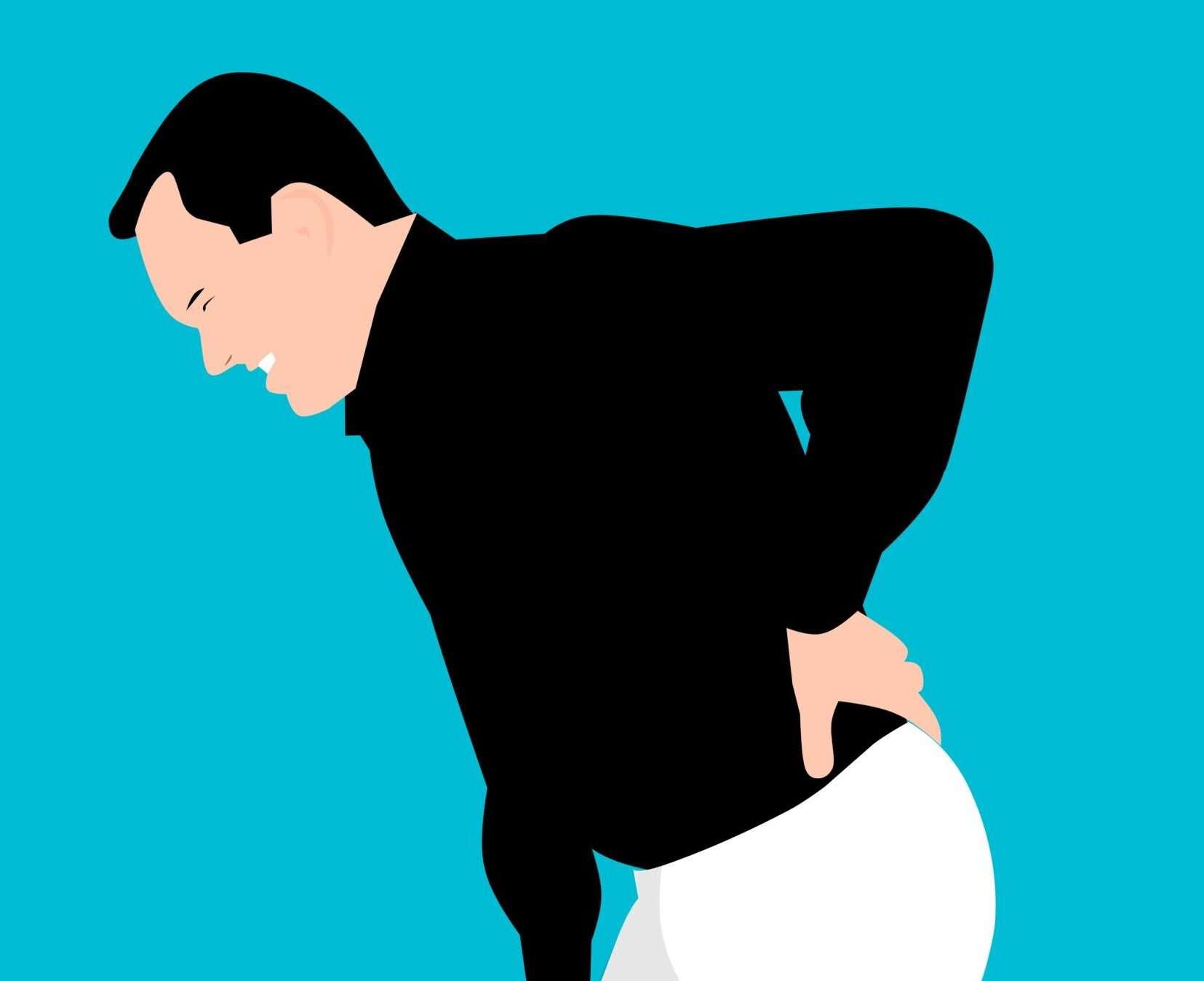
Whether you’re a weekend warrior or a scratch golfer, injuries can sneak into your game and sideline you fast. Golf may seem low-impact, but the repetitive swinging motion, rotation, and posture required can take a serious toll on your body over time.
Here are the 5 most common golfing injuries, how they happen, and effective exercises and physical therapy tips to keep you swinging pain-free.
1. Lower Back Pain
What Causes It:
The rotational force of the golf swing puts repeated stress on your lower back, especially if your swing mechanics are off or your core isn’t strong enough. Long practice sessions and walking 18 holes with poor posture can also contribute.
Fix It With:
- Core Strengthening:
- Pelvic Tilts
- Bird Dogs
- Glute Bridges
- Mobility Work:
- Cat-Cow Stretch
- Child’s Pose
- Physical Therapy:
- Core stabilization program
- Postural correction
- Manual therapy for spine mobilization
2. Golfer’s Elbow (Medial Epicondylitis)
What Causes It:
Gripping the club too hard or over-practicing leads to inflammation of the tendons on the inside of your elbow. This is common in beginners or golfers ramping up range time too quickly.
Fix It With:
- Stretching & Strengthening:
- Wrist Flexor Stretch
- Eccentric Wrist Curls
- Theraband FlexBar Exercises
- Physical Therapy:
- Deep tissue massage
- Ice therapy and bracing
- Eccentric loading rehab
3. Rotator Cuff Injuries
What Causes It:
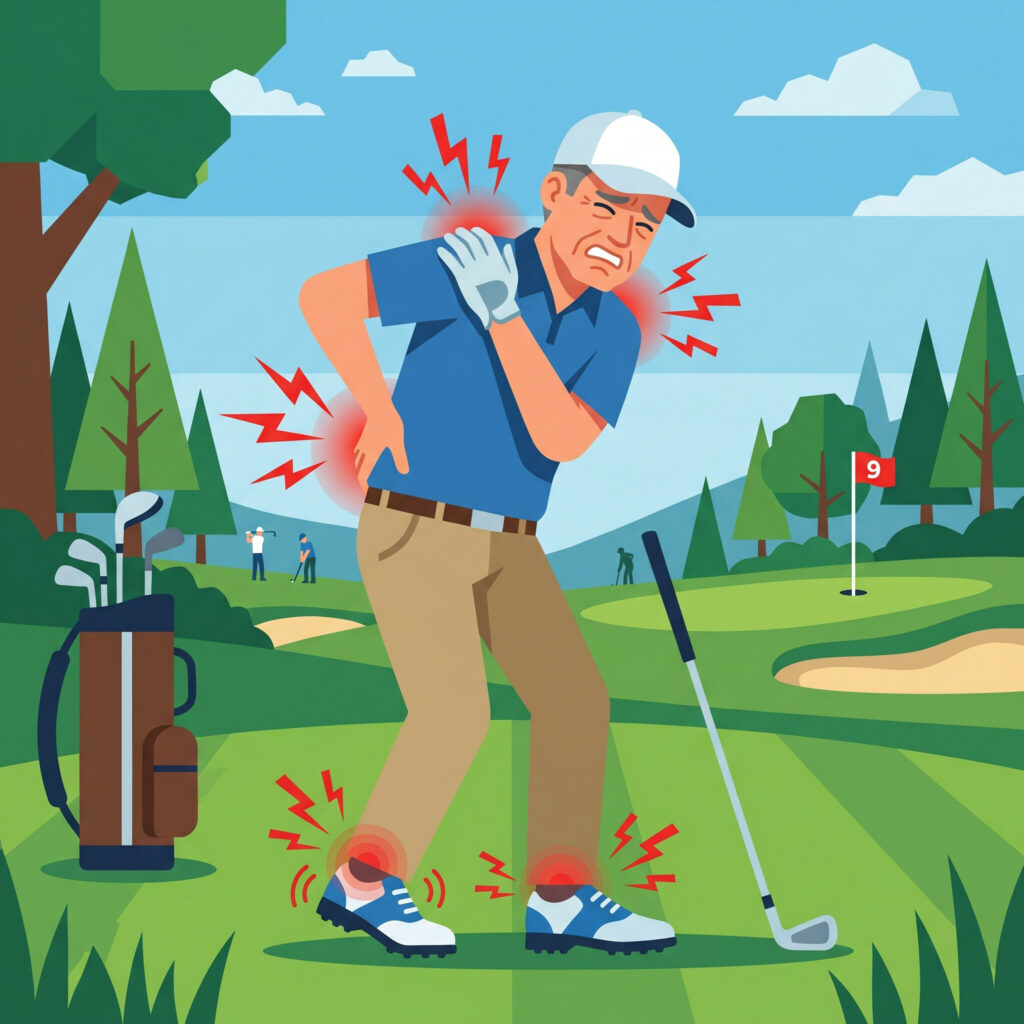
Your shoulder—particularly the lead shoulder—takes a beating during full swings. Weak or unbalanced rotator cuff muscles lead to tears, strains, or impingements.
Fix It With:
- Shoulder Strengthening:
- Resistance Band External Rotations
- Scapular Retractions
- Wall Angels
- Physical Therapy:
- Manual therapy
- Shoulder stabilization program
- Ice and anti-inflammatories
4. Wrist Injuries
What Causes It:
Hitting the ground (fat shots), gripping the club too tightly, or overuse can strain the tendons in the wrist—especially in the lead hand.
Fix It With:
- Mobility & Strengthening:
- Wrist Circles
- Eccentric Wrist Extensions
- Isometric Grip Squeezes
- Physical Therapy:
- Joint mobilization
- Taping or bracing
- Stretching and massage
5. Knee Pain
What Causes It:
Golfers with knee pain usually feel it during the weight transfer and rotation phase of the swing. Pre-existing arthritis or improper swing technique can make it worse.
Fix It With:

- Leg Strength & Stability:
- Wall Sits
- Step-Ups
- Single-Leg Balance Drills
- Physical Therapy:
- Gait and swing assessment
- Neuromuscular control work
- Compression and bracing
An Additional Injury: Planter Fasciitis – I currently have this one.
What Causes It:
Golfers with Plantar Fasciitis typically feel sharp heel or arch pain, especially during the first steps of the day or after walking the course. It’s caused by inflammation of the plantar fascia, often from overuse, poor footwear, tight calves, or lack of foot support during long rounds. I also feel it at night after a round, I’m very stiff and its hard to walk.
Fix It With:
Foot & Lower Leg Strength:
- Towel Scrunches (using your toes to pull a towel inward)
- Calf Raises (focus on slow, controlled reps)
- Toe Spreading & Short Foot Exercises
Mobility & Stretching:
- Calf and Achilles Stretching
- Plantar Fascia Rolling (golf ball or massage ball under foot)
- Ankle Mobility Drills
Recovery & Support:
- Proper golf shoes with arch support or orthotics
- Icing the heel after rounds
- Night splints or supportive taping
The above was not enought to work for me. This is what is currently going on with my feet :
If yours get severe like mine I would suggest going to a podiotrist. I did this and got some help. I actually got a corizone shot right in my foot. It helped for a little bit but not long. I am now doing physical therapy which is helping my foot get stronger but i still have some some pain.
Bonus: Injury Prevention Tips for Golfers
- Warm Up Properly: Never skip your pre-round routine. Dynamic stretches + 5 minutes of cardio = fewer injuries.
- Work With a Golf Pro: Clean up your swing mechanics.
- Stay Hydrated & Rested: Fatigue often leads to poor form—and injuries.
- Cross-Train: Incorporate yoga, Pilates, or strength training into your weekly routine.
⛳ Final Thoughts
Golf is a lifetime sport, but only if your body holds up. With the right combination of injury awareness, proper mechanics, and targeted exercises, you can keep playing pain-free for years.